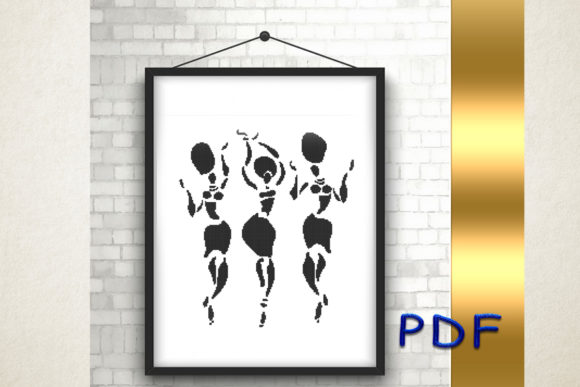
Modern Cross Stitch Pattern Africa PDF: An In-Depth Look at the Africa Woman Dance Design
When selecting a cross stitch project, the pattern is the single most important piece of the puzzle. It defines not just the image, but the time commitment, the skill required, and the materials you need to gather. The Modern Cross Stitch Pattern Africa PDF, specifically the Africa woman dance pattern, has gained attention for its vibrant cultural subject matter and detailed execution. Before you purchase fabric or thread, it pays to understand exactly what this pattern offers and how it fits into the broader landscape of cross stitch design. This analysis will help you evaluate whether this specific pattern aligns with your stitching goals, skill level, and available resources.
Decoding the Specifications: What the Numbers Mean
The Modern Cross Stitch Pattern Africa PDF comes with a distinct set of technical details that directly influence your project. Understanding these numbers is the first step in making an informed decision. Let us break down the specifications: 161w X 182h Stitches on Size 14 Count Aida Fabric, White 161w X 182h Stitches Size 14 Count, 29.21w X 33.02h cm.
Stitch Count and Time Investment
With a stitch count of 161 wide by 182 high, this pattern totals roughly 29,302 individual cross stitches. This is a substantial piece. It is not a weekend project but rather a focused endeavor suitable for an experienced stitcher or a confident intermediate looking for a long-term commitment. If you typically stitch at a rate of 100 stitches per hour, you are looking at approximately 290 hours of stitching. Compare this to a smaller pattern, such as a 50x50 stitch design (2,500 stitches), which can be completed in a fraction of the time. The scale of this design makes it a significant investment of your crafting hours.
Fabric Count and Finished Dimensions
The pattern is optimized for 14-count Aida fabric. This is the most popular and accessible fabric for cross stitchers. It offers a balanced ratio between detail and visibility. Here is how it compares to other fabric counts:
- 11-Count Aida: Fewer stitches per inch, resulting in a larger finished design (approx. 37.2w x 42.3h cm). The image will be blockier and less refined. It is faster to stitch but less detailed.
- 14-Count Aida (Specified): The sweet spot for many stitchers. The design area finishes at 29.21w x 33.02h cm. It is easy on the eyes, comfortable to stitch, and the final piece has a polished look. Adding a framing margin, you are likely looking at a finished piece around 16 x 18 inches—a true statement wall piece.
- 18-Count Aida: More stitches per inch, resulting in a smaller design area (approx. 22.7w x 25.7h cm). The image will be finer and more detailed, but the smaller squares can strain the eyes and slow down stitching speed.
The choice of 14-count Aida in white is practical. It provides a bright, neutral background that makes the colors of the dance design pop. If you prefer a different fabric color, you can adjust, but the white background is the standard recommended by the pattern designer for optimal contrast with the symbols and floss colors.
PDF Format vs. Traditional Kits: A Practical Comparison
One of the most important distinctions of the Modern Cross Stitch Pattern Africa PDF is that it is a chart-only product. It is delivered as a Color PDF with Symbols. This differs significantly from a full kit, which includes fabric, floss, and a needle. Understanding the tradeoffs will help you decide if this format suits your working style.
Strengths of the PDF Format
- Flexibility and Customization: You are free to choose your own fabric brand (Zweigart is a popular high-quality option) and floss brand (DMC or Anchor). If you already have a large stash of floss, you may be able to source many of the colors without a dedicated purchase.
- Immediate Access: You can download the pattern instantly. There is no shipping delay, allowing you to start planning and sourcing materials right away.
- Scalability and Viewing: This is a major advantage. You can view the PDF on a tablet, zooming in on the black-and-white symbols. You can also print the chart in large print to make reading easier. This is much harder to do with a folded paper chart that comes in a kit.
- Reusability: You can save the file indefinitely and, if you keep the chart in good condition, stitch it again years later.
Tradeoffs of the PDF Format
- Material Sourcing: You must purchase fabric and floss separately. For a complex design like the Africa woman dance pattern, there may be 30 to 40 distinct floss colors. Sourcing all of them can require a trip to a specialty store or an online order that adds up in cost and time.
- Preparation Work: You are responsible for gridding your fabric and transferring the pattern layout mentally. A kit often includes pre-gridded fabric or a simpler color-block layout. With a PDF chart, you need to be comfortable with reading a grid and tracking your stitches carefully.
- No Guaranteed Color Accuracy: While the color PDF is a guide, the actual floss colors you buy may differ slightly based on dye lots. Kit manufacturers have already matched the floss to the fabric for you.
Decision Fit: If you are a stitcher who enjoys the hunt for materials, values long-term flexibility, and wants to control the quality of every component, the PDF format is ideal for you. If you prefer a single-box solution with no extra legwork, you might prefer a full kit. However, many modern, artistic designs are only available as PDFs because they are produced by independent designers who prioritize detailed, charted art over mass-produced kits.
Subject Matter and Style: Modern Africa Woman Dance
Beyond the technical specifications, the theme of the Modern Cross Stitch Pattern Africa PDF is a key differentiator. It reflects a broader trend in the crafting world towards representational cultural art, diversity, and modern graphic design.
What Makes It Distinct?
Traditional cross stitch often features historic samplers, floral wreaths, or quaint cottages. In contrast, this pattern focuses on a dynamic figure—a woman dancing. This is a literal, storytelling image that conveys movement, joy, and cultural pride. Compared to a geometric or mandala pattern, it is more narrative. Compared to a photorealistic portrait pattern, it likely uses stylized lines, symbolic patterns, and a carefully chosen palette to evoke emotion without requiring the rigidity of photorealism.
Best-Fit Situations
- Purposeful Home Decor: If you want to decorate your home with intentional, meaningful art that sparks conversation, this pattern is an excellent choice.
- Cultural Connection: It serves as a beautiful celebration of African heritage. It is a fantastic gift for someone who loves dance, African art, or modern cross stitch.
- Skill Development: For a confident stitcher, tackling a large, detailed PDF chart like this is a rewarding way to improve your chart-reading skills and learn techniques like backstitching (likely used for defining the face and hands) and handling confetti stitching (many small color changes).
Limitations and Considerations
- Confetti and Color Changes: Patterns that depict skin tones, flowing fabric, and intricate details naturally involve a high number of color changes. If you prefer stitching large blocks of solid color (common in geometric or sampler patterns), this design might feel tedious. Check the PDF key to see the total number of colors before committing.
- Chart Complexity: The symbols in a large, modern PDF can be very dense. The black-and-white symbols page may look intimidating to a beginner. A stitcher who is not comfortable working from a dense grid may struggle. A beginner should start with a smaller, simpler pattern to build confidence.
- Time Commitment: Given the 161w X 182h stitch count, this is a long-term project. It may take months of dedicated stitching. If you are looking for a quick, satisfying finish, a smaller pattern (e.g., 100x100 stitches or less) would be a more practical choice.
Making the Right Choice for Your Project
Synthesizing the technical details, format tradeoffs, and subject matter allows for a clearer decision. Here is a practical look at who the Modern Cross Stitch Pattern Africa PDF is best suited for and who might need an alternative.
Who Should Choose This Pattern?
- The Confident Intermediate Stitcher: You are comfortable reading a symbol chart, managing multiple threads, and maintaining consistent tension across a large piece.
- The Art Collector: You value unique, handmade decor and are willing to invest the time to create a piece that is both modern and culturally significant.
- The Goal-Oriented Stitcher: You enjoy long-term projects that allow you to immerse yourself in a single, meaningful design over several weeks or months.
- The Budget-Conscious Crafter (with legwork): The pattern itself is affordable, and if you have a stash of threads, the only real cost is the fabric. You are willing to put in the effort to source materials separately.
Who Might Need an Alternative?
- The Beginner: A 29,000-stitch project on a 14-count grid can be overwhelming and lead to frustration. A beginner would benefit from a smaller design (e.g., a 50x50 stitch motif) or a kit that includes pre-gridded fabric and a simpler color palette.
- The Time-Limited Stitcher: If you only have a few hours a week to stitch and want a sense of completion, this pattern may feel like it takes forever. A smaller design provides more frequent satisfaction.
- The Kit Preferrer: If the idea of printing your own chart and hunting for individual floss colors sounds like a chore, you may be happier with a full kit that includes everything in one box.
- The Stitcher Seeking Simplicity: If you prefer large blocks of solid colors and minimal color changes (like some charted cross stitch or stamped cross stitch), the confetti-heavy nature of a detailed figurative pattern may not be your style.
Final Considerations
The Modern Cross Stitch Pattern Africa PDF is a compelling choice for the contemporary stitcher who values artistic expression and is ready for a committed project. It offers a chance to create a stunning piece of functional art that stands apart from more traditional designs. By understanding the tradeoffs of the PDF format, the demands of the 161w X 182h stitch count, and the beauty of the Africa woman dance theme, you can confidently decide if this pattern aligns with your skills and goals.
Regardless of the path you choose, the best project is one that keeps you excited to pick up your needle day after day. If the modern aesthetic and cultural depth of this design resonate with you, then the material and time investment will feel like a labor of love rather than a chore.