Crochet Pattern Deer: A Detailed Look at This Removable-Clothes Amigurumi Design
For those who enjoy amigurumi, the appeal often lies in the details. A well-designed pattern can elevate a simple stuffed animal into something truly memorable. The Crochet Pattern Deer is one such design. It falls into the category of intermediate-friendly projects that reward careful attention with a polished, heirloom-quality result. What sets this particular pattern apart is the removable clothing, a feature that adds both aesthetic value and playability.
This article examines the pattern's structure, materials requirements, skill prerequisites, and practical applications. It is intended for adults aged 20–50 who are serious hobbyists, creators, educators, or small business owners looking to evaluate a well-crafted instruction set before purchasing or committing time to the project. The goal is to provide a balanced, professional assessment so you can determine whether this deer pattern aligns with your skill level, goals, and creative workflow.
Pattern Overview and Key Characteristics
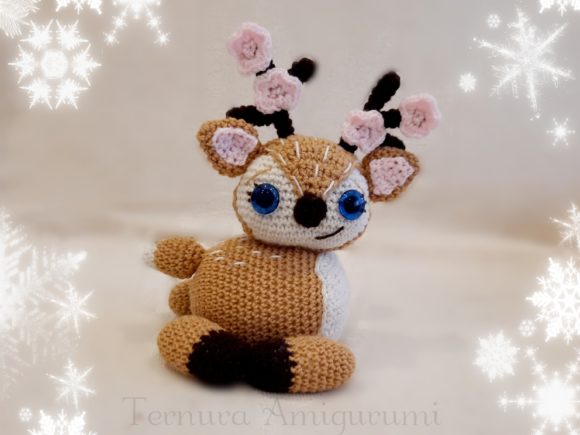
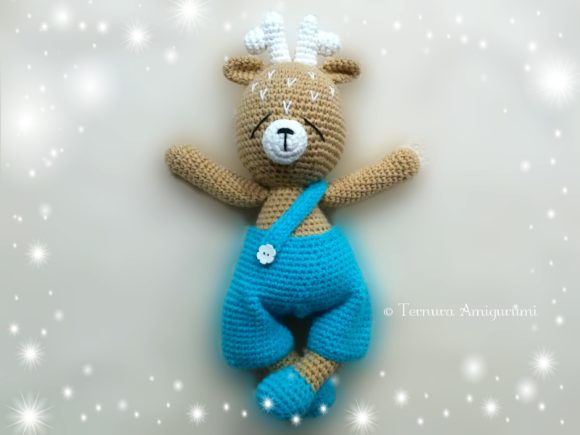
The Crochet Pattern Deer is a PDF instruction manual, not a finished product. It contains 11 well-detailed pages with step-by-step written instructions and useful photographs. The design focuses on a standing deer amigurumi with multiple aesthetic features: antlers, a proportional face, and a fully removable outfit. The finished dimensions are approximately 40 cm (about 15.7 inches) when made with the recommended materials. This size is substantial enough to function as a decorative piece, a cuddly toy for a child, or a display item for a nursery or living space.
The pattern specifies the following materials:
- Wool in various colors: approximately 50 grams of light blue, 85 grams of brown, 10 grams of white, and 2 grams of black.
- Crochet hook: 2.5 mm.
- Filler: polyfill or similar stuffing material.
The recommended yarn is LHO acrylic wool for a 2.5 mm hook, but the pattern notes that you can substitute with any wool or cotton thread you prefer. This flexibility is important for those who have yarn stashes or specific fiber preferences. The pattern also states that the final size can vary depending on the needle and yarn used, so gauge adjustment is possible if you want a smaller or larger deer.
Skill Requirements and Practical Usability
Before diving into the making process, it is essential to understand the required skills. The pattern assumes you are comfortable with the following techniques:
- Magic ring
- Chain stitch
- Single crochet
- Decrease (invisible decrease recommended)
- Increase
- Slipped stitch
These are foundational amigurumi techniques. If you are new to magic rings or decreases, this pattern can still be a good learning project, but you may need to practice those stitches separately first. The instructions are detailed, with 11 pages of guidance and photos, which makes the process easier to follow than a bare-bones pattern. However, the level of detail is not excessive—it strikes a reasonable balance between providing enough support and allowing the maker to work independently.
From a professional standpoint, the pattern's clarity is one of its strong points. The photos appear to be well-lit and show key steps such as shaping the head, attaching limbs, and constructing the clothing. For educators or workshop leaders, this pattern could serve as a lesson plan for teaching removable clothing construction or amigurumi assembly techniques.
Removable Clothing: A Design Feature Worth Noting
The most distinctive aspect of the Crochet Pattern Deer is that the clothes can be removed. This is not a simple add-on; it requires thoughtful construction. The outfit is separate from the body, which means the deer can be dressed and undressed—a feature that children especially enjoy. For makers, removable clothing adds complexity because you need to ensure the fit is not too tight nor too loose, and that the garment stays on during play without being frustrating to remove.
From a practical perspective, removable clothing increases the long-term value of the finished item. It allows for washing the clothes separately, enables costume changes, and makes the toy more interactive. If you are creating for a child, this feature can extend the play lifespan of the deer. For a small business selling handmade items, offering a doll with removable clothing can be a selling point that justifies a higher price point.
The pattern likely includes instructions for the main dress or outfit shown in the photos, but you can adapt the design to create multiple outfits using the same basic garment structure. This opens up possibilities for selling outfit sets separately or creating seasonal variations.
Real-World Performance and Construction Quality
When evaluating a pattern, it is helpful to consider how it will behave during the making process and after completion. The recommended 2.5 mm hook and LHO acrylic wool produce a tight, dense fabric that is ideal for amigurumi. The small hook size relative to the yarn weight ensures that stuffing does not show through and the stitches are even. This is crucial for achieving a professional-looking finish, especially with a light color like the light blue or white sections.
The head assembly is likely the most challenging part, as deer antlers and facial shaping require careful placement. The pattern includes 2 grams of black wool, which suggests embroidered or crocheted eyes. Small details like eyes and nose shape can make or break the final expression. A reliable pattern will include clear guidance on placement. Based on the description, this pattern seems to provide that level of detail.
One limitation to consider: because the clothes are removable, the body must be smooth and evenly shaped to look good when undressed. This means the maker needs to pay extra attention to tension consistency. If your tension varies significantly, the body might appear lumpy without clothing to cover it. This is not a flaw in the pattern but a factor to be aware of for your own skill level.
Flexibility and Customization Options
The pattern encourages color customization: "You can do it in the colors that you like the most." While the material list specifies light blue, brown, white, and black, these are suggestions. For example, you might use a warm grey instead of brown, or pastel pink instead of light blue. The removable clothing also allows for experimenting with different garment styles—adding a scarf, changing the skirt length, or using a different stitch pattern for the dress.
This flexibility is valuable for professional creators who need to adapt designs for different markets or client preferences. If you are a small business owner selling at craft fairs, having a base pattern that can be customized quickly (by changing yarn colors) allows you to offer variety without purchasing multiple patterns.
However, keep in mind that the pattern is designed for the specific look shown in the photos. If you significantly alter the yarn weight or hook size, the final dimensions and fit of the clothing may change. You may need to adjust the number of stitches or rows in the garment if you are using a different gauge. The pattern does not explicitly include instructions for gauge swatching, so you will need to rely on your own judgment if you deviate from the recommended materials.
Who Benefits Most From This Pattern?
Given the skill requirements, materials, and final size, the Crochet Pattern Deer is best suited for the following audiences:
- Intermediate amigurumi makers who have mastered magic rings, increases, decreases, and basic assembly. If you have completed 5–10 amigurumi projects and want to try removable clothing, this is a logical next step.
- Educators and workshop leaders looking for a pattern that teaches garment construction alongside body shaping. The 11-page manual provides enough detail for a structured class setting.
- Small business owners who sell handmade toys or nursery decor. The 40 cm size is appealing for gifting and display, and the removable clothing adds perceived value.
- Parents or grandparents who want to create a personalized, high-quality toy for a specific child. The ability to choose colors and customize the outfit makes it a thoughtful handmade gift.
- Serious hobbyists who enjoy detailed projects with a satisfying final result. The multiple components (head, body, limbs, antlers, clothes) provide a sense of completion and accomplishment.
I would add a note of caution for absolute beginners: this pattern is described as easy to follow, but only if you already know the required stitches. If you are entirely new to crochet, you may find the 11 pages overwhelming. It is better to start with a simpler amigurumi pattern—like a basic ball-shaped animal—before tackling this deer.
Presentation and Instructional Design
The pattern is presented as a PDF download, which means you can view it on a tablet, phone, or print it at home. 11 pages is a reasonable length for a complex amigurumi project. It is long enough to cover assembly details but not so long that it becomes unwieldy. The inclusion of photos is particularly helpful for visual learners who need to see how stitches are placed or how parts are joined.
One potential limitation is that the pattern is text-based with photos, rather than a video. For some makers, written instructions with still images can be challenging for three-dimensional assembly steps, such as attaching limbs or positioning antlers. However, many experienced crocheters prefer written patterns because they allow for quick reference without pausing a video. If you find that you need more dynamic guidance, you could supplement this pattern with video tutorials on specific techniques (like invisible decreases or sewing limbs securely).
From a reliability standpoint, the pattern appears to be self-contained. You do not need additional materials beyond those listed, and the instructions do not reference external resources. This is a positive sign for a professional product—it means you can complete the project with just the PDF and your yarn.
Recommendations and Final Thoughts
The Crochet Pattern Deer is a well-constructed instruction set for a charming amigurumi project. Its standout feature—removable clothing—adds both functional play value and aesthetic appeal. The pattern is clearly written, includes helpful photos, and allows for color customization. At 40 cm finished size, the deer is large enough to be a substantial piece but not so large that it requires excessive yarn or time.
To get the best results, I recommend using the specified 2.5 mm hook and LHO acrylic wool, at least for your first attempt. Once you understand the construction, you can experiment with other yarns and hooks. Pay careful attention to tension consistency, especially for the body, since the clothing is designed to be removable. If you plan to sell finished deer, consider making a sample in the recommended colors to photograph, then offering custom colors as made-to-order items.
The pattern is not suitable for complete beginners, but it is accessible to anyone with basic amigurumi skills. For those who fit that profile, this pattern offers a satisfying project with a beautiful result. Whether you are creating for a child, for sale, or for your own enjoyment, the removable clothing detail makes this deer worth the effort.