Verdant Shawl Crochet Pattern: A Leaf-Inspired Design for Intermediate Crafters
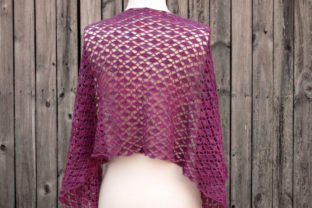
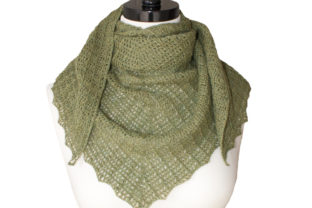
There’s something quietly rewarding about a project that feels both seasonal and timeless. The Verdant Shawl Crochet Pattern captures that exact feeling with its veined cables and scalloped edges that echo the natural movement of leaves. Designed for intermediate skill levels, this shawl works beautifully in a range of real-world contexts—whether you’re crafting a versatile layering piece for your own wardrobe or thinking ahead to gifts that feel personal and thoughtful. At 42 inches wide and 21 inches tall, it drapes gracefully without overwhelming the wearer, and the choice of lace weight yarn keeps it light and airy even when worn for extended periods.
Why the Verdant Shawl Fits Into Everyday Life
Shawls often fall into two categories: purely decorative or strictly functional. The Verdant Shawl manages to blend both, making it a practical addition to many routines. Its open, breathable stitch pattern works well as a light cover-up during transitional weather—think cool summer evenings, early autumn mornings, or air-conditioned indoor spaces. For someone who spends time in environments where temperatures fluctuate, this shawl can be thrown over the shoulders without adding bulk. The scalloped edge adds a touch of polish, so it transitions easily from a casual coffee shop meet-up to a more dressed-up dinner outing.
Layering Across Seasons
Because lace weight yarn creates such a fine, open fabric, the Verdant Shawl is surprisingly versatile across seasons. In spring, it becomes an extra layer over a simple dress or top. In fall, it can be worn over a long-sleeved shirt without feeling restrictive. Some crafters have noted that the veined cable pattern adds just enough texture to make the shawl feel substantial despite its lightness, which helps it stay in place rather than slipping off constantly. That practicality matters when you’re actually wearing the piece rather than just displaying it.
Who Reaches for This Pattern—and Why
The intermediate skill level attracts crafters who have a good handle on basic stitches and are ready to work with more complex cable techniques. But beyond skill level, the people who gravitate toward the Verdant Shawl tend to share a few common motivations.
The Thoughtful Gift Maker
Gift-giving with handmade items often requires balancing time investment with impact. The Verdant Shawl uses 850 yards of lace weight yarn, which isn’t a huge commitment, yet the finished piece looks intricate and intentional. For someone making gifts for multiple people (say, holiday presents or bridal shower items), this pattern offers a return on effort. The scalloped edges and cable veins create an elegant look without needing to work in a separate border or edging later—everything is worked as part of the main design. That means less finishing work, which is a real selling point when you’re making more than one.
The Wardrobe Builder
Not everyone wears shawls regularly, but those who do often appreciate pieces that coordinate with multiple outfits. The leaf-like pattern lends itself well to earth tones—olive, rust, cream, sage—but also looks striking in neutral greys or a deep navy. The lace weight means the shawl folds down small enough to fit in a tote bag, so it can be pulled out when needed. That convenience makes it a go-to for commuters, travelers, or anyone who spends long hours in varying indoor temperatures.
Real-World Considerations Before Starting
While the pattern is labeled intermediate, that rating reflects the cable work more than the overall complexity. The veined cables run through the body of the shawl, so it’s important to keep track of repeats. Stitch markers (three are recommended) become essential for marking key points, especially at the edges where increases happen. Many crafters find it helpful to place a marker at the center and both ends to avoid miscounts during the cable sections.
Yarn Selection and Fiber Content
Lace weight yarn comes in many fiber blends, and the choice affects how the shawl behaves. A silk-blend lace will give the shawl more drape and a slight sheen, which highlights the cable definition. Merino wool lace weight offers more bounce and warmth, making the shawl feel cozier against the skin. Cotton-based lace yarns hold their shape well during blocking but can be heavier. For the best result, consider how the shawl will actually be used. If it’s meant for summer evenings, a bamboo or linen blend keeps it breathable. If it’s for year-round layering, a merino or alpaca blend adds softness and warmth without weight.
The Role of Blocking
Blocking mats and pins are listed in the materials for good reason. Lace patterns like the Verdant Shawl really come to life after blocking. The scalloped edges open up, the cables relax and lie flat, and the overall dimensions settle into the finished 42 by 21 inches. Skipping blocking or rushing it can leave the shawl looking puckered and uneven. Because lace weight yarn is fine, the stitches can appear scrunched before blocking. Taking the time to pin out each scallop carefully transforms the fabric into something airy and deliberate. Many crafters note that the blocking process itself is satisfying—it’s the moment when the leaf pattern becomes truly visible.
Adapting the Pattern for Different Needs
While the pattern as written is well balanced, some users choose to make small adaptations depending on their preferences.
- Length adjustments: Because the shawl is worked from the center out (or in a common triangular construction), adding or reducing rows changes the overall size. Someone who prefers a longer, narrower wrap can stop increasing earlier or work extra rows without increasing. That flexibility is useful if you’re making the shawl for a taller person or for a specific outfit.
- Yarn substitution: Lace weight can be substituted with a fine fingering weight if you use a larger hook (say, 4.0 mm) and adjust gauge. The resulting fabric will be slightly denser but still airy. Just be aware that yardage needs may increase with heavier yarn.
- Color blocking: The Veined cable pattern creates natural sections where a color change would look intentional. Some crafters work the body in a solid neutral and then use a variegated or ombre yarn for the scalloped border. This approach adds visual interest without complicating the stitch pattern.
Strengths and Potential Limitations to Keep in Mind
Every pattern has its high points and areas that might require a bit more patience. Knowing these ahead of time helps set realistic expectations.
Strengths
- Portable project: Because lace weight yarn and a 3.5 mm hook are compact, the project travels well. It fits easily in a project bag without taking up much space.
- Memorable stitch pattern: The veined cables are distinctive without being overly complicated. Once the repeat is memorized, the rhythm of the pattern makes it meditative rather than tedious.
- Wearable result: The finished shawl is sized to be practical. It wraps around the shoulders without dragging on the ground and stays in place without constant adjusting.
- Skill building: For an intermediate crocheter, working cable stitches in lace weight yarn builds precision and control. It’s a good pattern to move onto after mastering basic cables in thicker yarn.
Potential Limitations
- Visibility: Lace weight yarn can be difficult to see when working cables, especially in darker colors. Good lighting is essential, and some crafters prefer using lighter-colored yarn for their first attempt.
- Time commitment: Lace weight crochet takes longer per inch than thicker yarns. Even though the shawl is not huge, the fine gauge means it still requires several sessions to complete. Those looking for a quick weekend project might want to consider a heavier weight.
- Blocking requirement: As mentioned, blocking is non-negotiable for the best appearance. If you don’t have blocking mats and pins or the space to lay the shawl flat, this pattern may feel frustrating.
Where the Verdant Shawl Fits in a Crafter’s Repertoire
Intermediate crocheters often build a collection of patterns they return to when they need something reliable yet interesting. The Verdant Shawl fits that niche well. It’s not so simple that it becomes boring, but it’s also not so complex that it requires constant chart reading. Many crocheters find that after the first repeat or two, the cable pattern becomes intuitive. That frees them up to work on it while listening to podcasts, watching TV, or sitting in on meetings. It becomes a comfort project as much as a wardrobe upgrade.
For Community and Sharing
Shawls like this one also tend to generate conversation. The leaf-inspired design invites comments from non-crafters who appreciate the natural motif. For someone who enjoys sharing their work on social media or in local crochet groups, the Verdant Shawl photographs well thanks to the open stitch pattern and defined edges. It’s the kind of piece that looks impressive without looking overly fussy, which can be encouraging for makers who are still building confidence in their intermediate skills.
Final Observations Before You Start
Choosing to work with lace weight yarn is a deliberate decision. It requires a gentler tension and a willingness to trust the process—especially before blocking. But the payoff is a shawl that feels almost weightless on the shoulders, with a drape that thicker yarns can’t replicate. The veined cables are reminiscent of leaf veins, and the scalloped edge softens the overall shape.
If you’ve been considering a project that feels like a natural extension of your current skills without pushing you into advanced territory, the Verdant Shawl Crochet Pattern offers a satisfying middle ground. It’s a pattern that respects the time you put into it and gives back a finished piece you’ll actually reach for—whether you’re layering it over a summer dress or packing it for a weekend trip where the weather might change.