Portola Shawl Crochet Pattern Guide
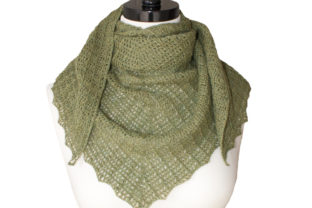
There is something quietly satisfying about a crochet project that feels both attainable and endlessly wearable. The Portola Shawl Crochet Pattern offers exactly that balance. Designed with an easy skill level and made from delicate lace weight yarn, this shawl measures 54 inches wide by 20 inches high, giving you a piece that works as an open, airy wrap or a closed, cozy scarf. Whether you are new to crochet or have been hooking for years, this pattern delivers a finished piece that suits almost any season, occasion, or personal style.
What Makes the Portola Shawl Crochet Pattern Stand Out
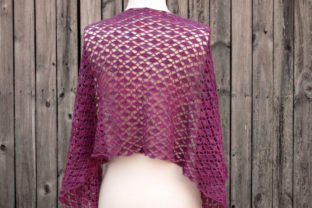
At its core, the Portola Shawl Crochet Pattern is a thoughtfully designed wrap that uses approximately 900 yards of lace weight yarn and a 3 mm (US-D) hook. The result is a fabric that feels light against the shoulders but provides enough warmth for cooler evenings or air-conditioned spaces. What makes this pattern particularly appealing is its versatility. Worn open, it drapes like a traditional shawl, adding a soft layer of texture to a simple outfit. Closed and wrapped around the neck, it becomes a scarf that sits comfortably without bulk.
The pattern includes a stitch diagram, which is a huge help for visual learners. Following a diagram can sometimes feel more intuitive than reading written instructions alone, especially when you are trying to understand how the stitches flow together. For beginners, this dual approach reduces confusion and builds confidence. For more experienced makers, it speeds up the process.
The finished measurements—54 inches wide by 20 inches high—are generous enough to wrap around the shoulders or loop twice around the neck. This is not one of those shawls that barely covers your shoulders. It has real presence and substance, even though the yarn is fine and the fabric is lightweight.
Why Lace Weight Yarn Works So Well Here
Lace weight yarn might sound intimidating if you have mostly worked with worsted or bulky yarns. But the Portola Shawl Crochet Pattern is designed to make the most of this fine material. The recommended 3 mm hook creates a fabric that has structure without stiffness. The stitches are defined and open, which gives the shawl its airy quality. When worn open, you can see the delicate pattern through the fabric. When closed, the yarn weight allows the piece to compress slightly, making it warm without feeling heavy.
Choosing the right yarn matters. A lace weight yarn with a bit of drape, such as a merino-silk blend or a soft bamboo, will enhance the flow of the shawl. Acrylic lace yarns can work too, but they may not have the same softness or movement. Since the pattern uses about 900 yards, you will want a yarn that feels good against your skin. This is especially important if you plan to wear the shawl directly against your neck or face.
Who Will Enjoy This Pattern Most
The Portola Shawl Crochet Pattern is labeled easy, and that rating is earned. The stitches are repetitive and easy to memorize after a few rows. This makes it an excellent choice for someone who is still building their skills but wants a project that looks more complex than it actually is. It is also a great pattern for mindful crocheting—the kind of project you can work on while listening to a podcast or watching a show, without needing to count constantly or refer back to the pattern every few minutes.
If you are a blogger, content creator, or small business owner, this pattern could serve you well in multiple ways. You might make one for yourself and photograph it for your platform, create a video tutorial walking through the stitch diagram, or even offer finished shawls as part of a seasonal product line. The neutral, elegant look of the shawl photographs beautifully and fits a wide range of aesthetics, from minimalist to boho.
For hobbyists and casual creators, this is the kind of project that delivers a high reward for the time invested. Because lace weight crochet works up more slowly than thicker yarns, there is a meditative quality to the process. Each row builds on the last, and seeing the pattern emerge is genuinely satisfying.
Realistic Use Cases for Everyday Life
One of the best features of this shawl is how naturally it fits into real life. Here are a few ways you might actually wear and use it:
- Morning coffee on the patio: Throw it over your shoulders on a cool spring morning. It keeps the chill off without making you overheat.
- Office or study space: Drape it over your chair and use it when the air conditioning is too strong. It folds small enough to keep in a bag or drawer.
- Evening out: Wear it as a scarf with a coat or jacket. The lace pattern adds a touch of elegance to casual outerwear.
- Travel: Because it is made from lace weight yarn, the finished shawl packs down very small. It is easy to bring along for unpredictable weather.
- Gift giving: A handmade shawl in a neutral color makes a thoughtful gift. The easy skill level means you can make several in a reasonable amount of time.
These are not hypothetical uses. People who have made this pattern often mention that it becomes a go-to piece in their wardrobe, not because it is flashy, but because it is comfortable and adaptable.
Important Considerations Before You Start
Even though the Portola Shawl Crochet Pattern is classified as easy, there are a few things worth knowing before you begin. First, lace weight yarn is fine, and working with it requires a bit of patience, especially if you are used to thicker yarns. Your hands may need a short adjustment period to find a comfortable tension. The 3 mm hook is small, so your stitches will be close together. Take your time in the first few rows to establish a consistent gauge.
Second, the pattern calls for approximately 900 yards of yarn. That is a significant amount for a lace weight project. Be sure to check your yardage before buying. If you substitute a different yarn, you may need more or less depending on the fiber and the way it behaves. It is always a good idea to buy an extra skein if you are unsure.
Third, blocking is important for this type of project. Lace weight shawls benefit greatly from blocking because it opens up the stitches and gives the fabric its intended drape and shape. The stitch diagram will show you the pattern, but blocking is what makes it truly shine. A simple wet block or steam block can transform your finished piece from good to beautiful.
How the Stitch Diagram Helps Beginners and Pros Alike
The inclusion of a stitch diagram in the Portola Shawl Crochet Pattern is a feature worth highlighting. Diagrams are not always included in patterns at this skill level, but here they are, and they add real value. A diagram allows you to see the entire pattern at once, rather than reading it line by line. This can help you understand how the rows relate to each other and where increases or decreases happen.
For beginners, a diagram is a learning tool. You can match each symbol to the written instruction and gradually become more comfortable reading charts. For professionals and educators, a pattern with a diagram is easier to teach. If you run workshops or create tutorial content, having both written and visual instructions makes your material accessible to more learners.
Creative and Business Applications
If you are a small business owner or entrepreneur in the handmade space, patterns like the Portola Shawl Crochet Pattern are worth considering for your product lineup. Finished shawls in neutral or seasonal colors can be listed in your shop as versatile accessories. Because the pattern is easy to reproduce, you can create a consistent product without spending excessive time on each piece. The use of lace weight yarn also means your material costs may be lower compared to heavier yarns, which can improve your profit margins.
For educators and bloggers, this pattern makes an excellent subject for a tutorial series. You could break it down into segments: choosing yarn, reading the stitch diagram, crocheting the foundation rows, and blocking the finished piece. Content like this performs well because it serves a real need. People searching for easy lace shawl patterns are often looking for guidance, and a thorough walkthrough builds trust and authority.
Freelancers and hobbyists who sell finished items at markets or online can also benefit. The shawl appeals to a broad demographic—women aged 20 to 50 who appreciate handmade accessories that are not overly frilly or formal. It fits a modern aesthetic while still feeling timeless.
Practical Observations from Working with the Pattern
Having worked with similar patterns, a few practical tips stand out. Use a smooth yarn for your first attempt. Textured or fuzzy lace yarns can make it harder to see your stitches, especially when you are still learning the pattern. A smooth yarn lets you focus on the structure. Keep a small notebook nearby to jot down any notes about row counts or tension adjustments. Even if the pattern is easy, your own notes will be helpful if you set the project aside and come back to it later.
Also, consider the color. Light or neutral colors show off the stitch definition of the Portola Shawl Crochet Pattern best. Dark colors can hide the lace work, which is part of the charm. If you want the pattern to be visible and appreciated, choose a yarn in a light pastel, cream, gray, or soft blush.
Finally, do not rush the blocking step. After spending hours crocheting, it is tempting to wear the shawl immediately. But blocking allows the lace to open up and the fibers to settle. The difference between a blocked and unblocked shawl is significant. The blocked version will look more professional, drape better, and feel softer.
Why This Pattern Works for Any Time of Year
The Portola Shawl Crochet Pattern is described as great for anytime of year, and that is not just marketing language. In spring and summer, the open lace structure allows airflow, making it comfortable even when temperatures rise. You can wear it over a tank top or sundress without feeling weighed down. In fall and winter, wrap it around your neck for extra warmth under a coat. The fine yarn traps heat without adding bulk, so it layers well under outerwear.
This seasonal flexibility is one of the main reasons people return to patterns like this. You are not making something that will sit in a drawer for nine months of the year. You are making something that has a role in your wardrobe across multiple seasons.
Getting Started with Confidence
If you are ready to begin the Portola Shawl Crochet Pattern, the first step is gathering your materials. Choose a lace weight yarn that appeals to you in both color and fiber content. Pick up a 3 mm hook, and find a comfortable spot to work. Read through the pattern once, look at the stitch diagram, and then start your foundation chain. The first few rows might feel slow, but once you settle into the rhythm, the pattern will start to feel natural.
Remember that every row you complete is progress. Even if you need to pull back a few rows to fix a mistake, that is part of the learning process. The pattern is forgiving, and the finished piece will be worth the effort. Whether you are making this shawl for yourself, for a gift, or as part of a creative business, the Portola Shawl Crochet Pattern offers a satisfying experience and a beautiful result that you will be proud to wear or share.