Crochet Pattern Didactic Ball – A Balanced Review for Baby Toy Makers
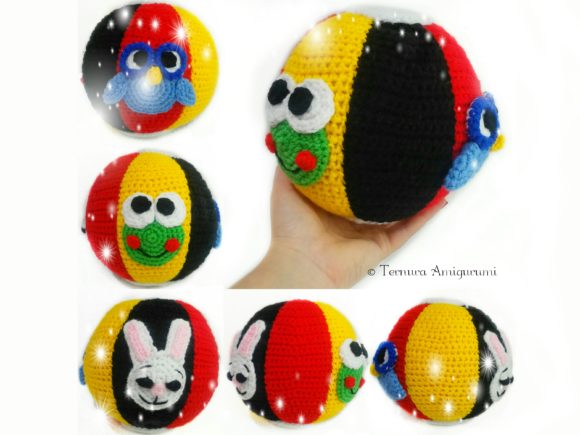
The Crochet Pattern Didactic Ball for baby toys is a detailed instruction manual designed to help crafters create a textured, colorful ball intended to stimulate infants through touch and sight. Rather than a finished product, this is a PDF guide that walks the maker through each step of constructing a ball approximately 16 cm in diameter using a variety of wool colors. For anyone considering whether this pattern aligns with their needs, it helps to weigh the practical benefits, the skill requirements, the materials involved, and the situations where either this pattern or an alternative might serve better.
What the Crochet Pattern Didactic Ball Offers
This pattern is built around the idea of a didactic toy—a plaything that encourages sensory engagement. The ball uses multiple colors and textures, which can help capture a baby’s attention and support early visual and tactile development. The pattern includes ten detailed pages with step-by-step instructions and useful photos, which makes it accessible to those who already know the basics of crochet. The required techniques are limited to the magic ring, chain stitch, single crochet, increase, and decrease. This means the pattern does not demand advanced skills, but it does assume familiarity with these core stitches.
The materials list calls for wool in red, black, yellow, pink, green, white, light blue, and blue, with specific gram amounts for each. A 2.5 mm crochet hook is specified, along with filling material. The finished ball’s size can vary depending on the exact needle and yarn used, which gives the maker some flexibility but also means the final result may differ slightly from the target 16 cm diameter.
Reasons Someone Might Be Interested
Many parents, grandparents, and caregivers look for toys that do more than entertain. A didactic ball can serve as a gentle learning tool, introducing babies to contrasting colors and varied textures. For those who enjoy handmade gifts, crocheting a toy adds a personal touch that store-bought items often lack. The pattern also appeals to crafters who want a project that is manageable in scope—something that can be completed in a reasonable time without overwhelming complexity.
Another draw is the customization aspect. The pattern notes that the maker can choose colors they like most. This allows the ball to be tailored to a specific nursery palette, a baby’s favorite colors, or even a themed gift. For crocheters who have leftover yarn in suitable weights, the pattern could also be a way to use up small amounts of wool.
Benefits and Tradeoffs to Consider
One clear benefit of the Crochet Pattern Didactic Ball is its focus on sensory stimulation. By incorporating multiple colors and textures, the ball can engage a baby’s developing vision and touch. The size—roughly 16 cm—is large enough to be easy for small hands to grasp but not so large that it becomes cumbersome. The pattern’s step-by-step format with photos is likely to reduce frustration for makers who are still gaining confidence with written instructions.
However, there are tradeoffs to keep in mind. The pattern requires a fairly specific set of wool colors, and not every crafter will have these on hand. The total yarn amounts add up to roughly 160 grams across eight colors, which can mean a notable expense if you need to purchase them new. The 2.5 mm hook is on the smaller side, so the stitching may be tighter and take more time than a project using thicker yarn and a larger hook. For those who prefer quick results, this may feel slow.
Another consideration is that the pattern explicitly states it cannot be sold, published, exchanged, given away, or transmitted, even in translated form. This means if you are a designer hoping to adapt or share the instructions, this pattern does not permit that. It is strictly for personal use. Additionally, the pattern is a PDF manual only—it does not include the finished product, the yarn, or the hook. You will need to source all materials separately.
Skill Level and Learning Curve
The pattern is described as easy to follow, but it does require prior knowledge of the magic ring, chain stitch, single crochet, increase, and decrease. If you are new to crochet, you may need to practice these stitches before starting. On the other hand, if you already know these basics, the pattern should be straightforward. The ten-page length and inclusion of photos suggest that the instructions are broken down into manageable steps, which can help avoid confusion. Still, working with eight different colors means you will need to change yarn frequently, and this can add complexity even for experienced crafters. Keeping tension consistent across color changes is a common challenge.
Who This Pattern Is a Strong Fit For
The Crochet Pattern Didactic Ball is well suited for crocheters who want a purposeful project—something that serves a developmental role for a baby. It is also a good match for those who enjoy working with multiple colors and are comfortable with small-gauge crochet. If you are making a gift for a new baby and want to offer something unique that stimulates the senses, this pattern gives you a solid template. It also works for crafters who appreciate having detailed instructions and photos to guide them, especially if they are still building confidence in following written patterns.
Another strong fit is for people who already own a stash of fine-weight wool in a variety of colors. If you have leftover yarn that matches the general weight and fiber type, this pattern can be a way to create a meaningful toy without buying much new material. For those who value a project that can be completed in a few evenings or weekends, the ball’s size is manageable.
When Alternatives May Be Worth Considering
If you are looking for a finished toy that can be purchased and used immediately, this pattern is not the right choice. It requires time, effort, and crochet skill. Similarly, if you prefer working with larger hooks and thicker yarn for a faster project, a pattern with a different gauge would be more suitable. The 2.5 mm hook and the need for multiple color changes can make this a slower project than other baby toy options.
For those who want a simpler design with fewer color changes, a single-color or two-color ball pattern might be a better fit. Such patterns often require less yarn, fewer ends to weave in, and less attention to keeping tension even across color transitions. Alternatively, if you want a toy that offers other textures such as crinkle sounds, rattles, or teething elements, you might look for a pattern that incorporates those features. The Crochet Pattern Didactic Ball focuses on visual and tactile stimulation through color and texture alone, without additional sensory elements.
Practical Decision-Making Insights
Before committing to this pattern, consider your current skill level and whether you are comfortable with the required stitches. If you need to learn the magic ring or practice increases and decreases, factor in some extra time for practice. Also, realistically assess your yarn stash. While you can substitute colors, the pattern is designed around specific amounts. If you do not have these colors, you will need to purchase them, and that cost should be weighed against the value of the finished toy for you or the recipient.
Think about the recipient as well. For a baby under six months, high-contrast colors are especially engaging, and this pattern offers black, white, red, and other bright shades. For an older baby who is already sitting up and reaching, a ball that can be rolled and chased adds another layer of play. In either case, the ball’s size and texture are appropriate for supervised play.
If you plan to make multiple balls as gifts or for a playgroup, consider whether the pattern allows for efficient production. The need for eight colors per ball means each one requires a significant time investment. If you are making several, you might look for a simpler pattern that uses fewer colors and a larger hook to speed things along.
Final Considerations for Choosing This Pattern
The Crochet Pattern Didactic Ball for baby toys offers a clear path to creating a handmade, sensory-focused toy. Its strengths lie in the detailed instructions, the use of multiple colors and textures to stimulate a baby, and the ability to customize the color scheme. The tradeoffs include the need for several different yarn colors, a small hook, and a moderate time commitment. It is not a pattern for those seeking a quick project or those who want a finished toy without making it themselves.
Ultimately, whether this pattern aligns with your goals depends on your crochet experience, your willingness to gather the materials, and the value you place on a handmade, didactic toy. For many crafters, the process of creating something that a baby will explore and enjoy is rewarding in itself. For others, a simpler or more quickly completed pattern may be a better fit. By considering the points above, you can decide with confidence whether the Crochet Pattern Didactic Ball is the right project for your next baby gift or personal creation.