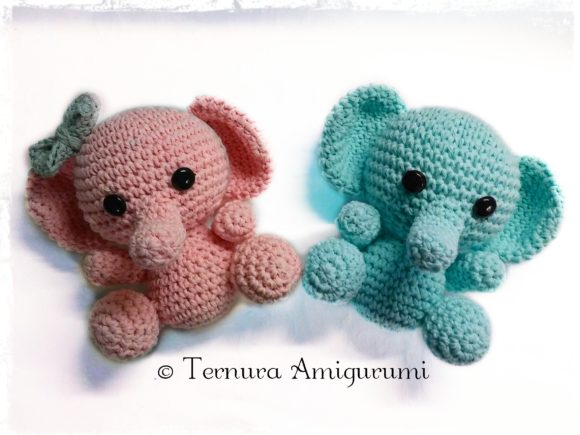
Crochet Pattern of Baby Elephant: A Strategic Tool for Crafters, Creators, and Small Businesses
In the world of handmade crafts, few projects manage to bridge the gap between sentimental value and commercial viability as seamlessly as the Crochet Pattern of Baby Elephant. This particular design has quietly conquered thousands of hearts, finding its way into nurseries, gift exchanges, and even retail displays. Its appeal is not accidental: the finished piece measures approximately 12cm x 15cm, a size that feels substantial yet intimate, and it invites customization across a spectrum of colors. For those who create with intention, this pattern represents more than a weekend project—it is a resource that can support branding, product development, customer engagement, and even skill-building.
Understanding what makes this specific pattern strategically useful begins with its design philosophy. The pattern is delivered as a 7-page PDF manual, complete with step-by-step instructions and supporting photos. It requires foundational crochet skills: magic ring, chain stitch, single crochet, slip stitch, increase, and decrease. The materials list is straightforward—cotton thread, a 2.5 mm hook, filling, and plastic eyes. This simplicity is deliberate. It lowers the barrier to entry for hobbyists while providing enough structure for experienced makers to produce consistent results. The pattern is not the finished product; it is the blueprint. And like any good blueprint, it enables repeatable, high-quality outcomes.
Why the Crochet Pattern of Baby Elephant Deserves Strategic Attention
At first glance, a crochet pattern might seem like a niche interest. But consider the broader context. Handmade goods have experienced a sustained resurgence, driven by consumers who value authenticity, sustainability, and personal connection. The Crochet Pattern of Baby Elephant fits squarely into this trend. Its finished form is versatile: it works as a nursery decoration, a souvenir, a gift, or a photo prop. For entrepreneurs and small business owners, this versatility translates into multiple revenue streams. A single pattern can produce inventory for a craft fair, a listing on an online marketplace, or a custom order for a client.
From a branding perspective, offering a well-designed elephant amigurumi can communicate care, craftsmanship, and attention to detail. Parents often seek out items that feel special for their children’s spaces. A handmade elephant, crafted from a reliable pattern, carries an emotional weight that mass-produced alternatives cannot replicate. This emotional resonance is a form of positioning. It differentiates your work in a crowded market and builds trust with customers who value handcrafted quality.
For educators and content creators, the pattern also serves an instructional role. Because it relies on a limited set of basic stitches, it can be used to teach amigurumi fundamentals. The 7-page format, with photos and clear instructions, makes it suitable for workshops, online courses, or tutorial series. In fact, this product is included in a CF Class titled “Create a Simple Crochet Amigurumi Elephant,” which suggests a structured learning pathway. Using the pattern as part of a curriculum or paid class adds a layer of value that goes beyond a single project.
Strategic Use Cases: When and How to Leverage This Pattern
The most effective use of the Crochet Pattern of Baby Elephant depends on your goals. Below are several realistic scenarios, each with a distinct strategic angle.
For Retail and Product Development
If you run a small handmade business, this pattern can become a core product. Because the pattern allows for color variation, you can produce a line of elephants in seasonal palettes, pastels for spring, or neutral tones for minimalist nurseries. This approach supports inventory planning and repeat purchasing. Customers who buy one elephant may return for a different color for a friend or sibling. The consistent size and shape also make it easier to price your items with confidence, knowing material costs and time requirements are predictable.
One practical consideration: the pattern specifies cotton thread and a 2.5 mm hook. This combination produces a dense, firm fabric ideal for amigurumi. When planning production, test your gauge early. Small variations in tension can shift the finished dimensions, which matters if you are selling based on the advertised 12cm x 15cm size. Keeping a sample piece on hand ensures you can match your output to customer expectations.
For Content Creators and Educators
If you teach crochet, either in person or online, this pattern offers a structured learning module. The skills required are precisely those a beginner needs to master before moving to more complex projects. By framing the elephant as a “capstone” project for a beginner course, you give students a tangible, adorable result that reinforces their motivation. The included photos and step-by-step instructions reduce the burden on you to create supplementary materials, though you may still want to produce video walkthroughs or tips for common mistakes.
Another angle: use the pattern as a lead magnet or bonus content. For example, you could offer a free chapter of the PDF in exchange for email sign-ups, then upsell the full course. This strategy aligns with typical content marketing funnels and provides immediate value to potential students. Just remember that the manual itself cannot be sold, published, exchanged, given away, or transmitted in any form, as clearly stated in its terms. The pattern is an instruction, not a product for redistribution. Your value add comes from your teaching, your context, and your community.
For Personal Projects and Gifting
Even if you are not running a business, the pattern has strategic value for your own goals. Many people use crochet as a form of mindful practice. Working through a 7-page pattern requires focus, planning, and patience—skills that transfer to professional and personal contexts. The finished elephant also serves as a meaningful, handmade gift. In an age of digital communication, a physical object made with care stands out. If you are a parent, grandparent, or friend to someone expecting, this project communicates effort and thoughtfulness in a way a store-bought gift cannot.
Additionally, completing a project of this scale builds confidence. For someone who has only done scarves or dishcloths, amigurumi introduces shaping, color changes, and assembly. The baby elephant is forgiving enough for a first attempt at these techniques, yet substantial enough to feel like an achievement. This psychological payoff is real and supports long-term engagement with the craft.
Planning and Preparation: What to Consider Before Starting
Before you purchase and begin the Crochet Pattern of Baby Elephant, take time to align the project with your actual constraints. Here are factors worth evaluating:
- Skill alignment: The pattern assumes you know the magic ring, chain stitch, single crochet, slip stitch, increase, and decrease. If you are not comfortable with any of these, plan to practice them first on scrap yarn. The pattern will be more enjoyable and you will produce a cleaner result.
- Material sourcing: Cotton thread in the recommended weight and a 2.5 mm hook are specified. Substituting yarns will change the size and texture. If you want the advertised 12cm x 15cm outcome, stick to the materials. If you are deliberately experimenting, adjust your expectations and test gauge.
- Time investment: While the pattern is rated as easy, assembly can take several hours depending on your speed. Plan your sessions to avoid rushing. Rushing leads to mistakes, uneven tension, and frustration—none of which serve your strategic goals.
- Customization decisions: The pattern invites color variation. Decide on your palette before starting. This is especially important if you are making multiple elephants for a retail line or a set of gifts. Consistency in color choices can become part of your visual brand.
- Terms of use: Remember that the PDF instruction cannot be sold, shared, or redistributed. It is for your personal use or for use in a structured class where the pattern is part of a larger teaching package. Respecting these terms protects you and the creator.
One often overlooked point: the pattern says the manual cannot be transmitted, even in translated form. If you need the instructions in another language, you must respect this restriction. The pattern is part of a larger CF Class, which may include additional resources. Consider enrolling in the full class if you need deeper support or multilingual materials.
Long-Term Value and Strategic Positioning
The Crochet Pattern of Baby Elephant is not a one-off project. Its long-term value comes from its repeatability and the emotional response it generates. For businesses, a product that consistently delights customers leads to word-of-mouth referrals, repeat sales, and a stronger brand reputation. For educators, a project that students love and show off generates organic publicity and student retention. For personal makers, a completed elephant is a tangible reminder of skill growth and creative accomplishment.
Consider creating a portfolio of related animals or characters using similar techniques. Once you master the elephant, you can adapt the skills to other amigurumi patterns. This expands your product range or teaching repertoire without requiring entirely new learning curves. The baby elephant can become the anchor of a collection, with variations like a bunny, bear, or puppy following the same structural logic.
If you are using the pattern for a business, think about packaging and presentation. A handmade elephant displayed in a simple cotton bag or accompanied by a care card adds perceived value. You can also offer customization options—embroidered initials, different ear colors, or mini versions—as upsells. These small differentiators can significantly impact customer experience and willingness to pay.
From a risk management perspective, the main pitfalls are unclear goals and lack of preparation. If you start the pattern without understanding your intended outcome, you may end up with a product that does not fit your use case. For example, if you need ten identical elephants for a wholesale order but do not test your gauge first, size inconsistencies could hurt your credibility. Similarly, if you are teaching a class and have not rehearsed the assembly process, you may struggle to guide students through tricky steps like attaching limbs or securing the safety eyes.
Decision-Making Guidance: Is This Pattern Right for You?
To decide whether to invest your time and resources in the Crochet Pattern of Baby Elephant, ask yourself these questions:
- Do I have or am I willing to develop the foundational skills listed in the pattern?
- Does the finished product align with a goal I have—whether personal satisfaction, business revenue, educational content, or gift-giving?
- Am I prepared to respect the terms of use for the PDF?
- Do I have access to the recommended materials, or am I willing to source them?
- Can I dedicate uninterrupted time to complete the project without rushing?
If you answered yes to most of these, the pattern is likely a strong fit. If you are unsure about your skill level, start with a small practice piece using the same stitches. The investment in preparation pays off in the quality of the final elephant and the confidence you gain along the way.
Final Observations on Using the Pattern Intentionally
The Crochet Pattern of Baby Elephant is more than a set of instructions. It is a tool for creating something that connects people—whether that connection is between maker and receiver, teacher and student, or brand and customer. Its success lies in its simplicity and its adaptability. By approaching it with clear goals, careful planning, and respect for the craft, you can turn a single PDF into a meaningful outcome that supports your broader objectives.
Whether you are decorating a baby’s room, building a product line, or teaching others to crochet, this pattern offers a reliable path to a charming, heart-winning result. Use it with intention, and it will serve you well beyond the final stitch.