Mandala Art as a Strategic Asset for Purpose-Driven Design
Mandala art has moved far beyond its spiritual and decorative origins. For entrepreneurs, creators, and professionals who work with visual branding, product design, or digital content, a well-crafted mandala represents something more than an intricate pattern. It is a structured, scalable, and versatile design tool that can support communication, reinforce brand identity, and improve the consistency of creative output. The availability of high-quality digital files such as SVG, DXF, PNG, and EPS formats has made mandala art accessible to anyone with a cutting machine, design software, or printing setup. But the real value lies not in the pattern itself, but in how thoughtfully it is used.
Understanding Mandala Art Beyond Decoration
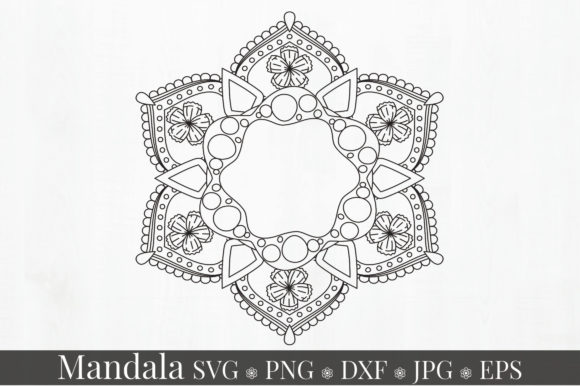
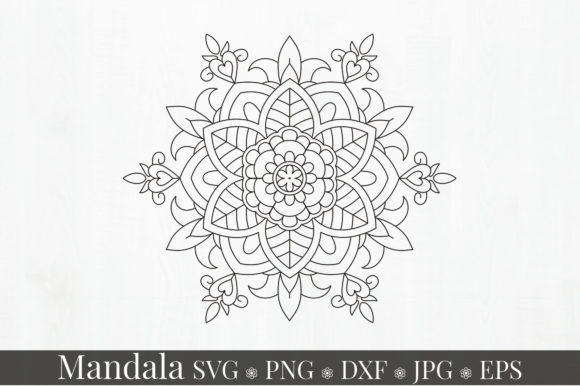
At its core, mandala art is a geometric configuration of symbols, shapes, and repeating elements arranged in a circular, symmetrical structure. This symmetry is not accidental. It creates a visual anchor that draws attention toward a center point, making mandalas naturally suited for focus, balance, and cohesion in design. When used strategically, a single mandala can serve as a logo element, a background texture, a product embellishment, or a standalone art piece. The key is recognizing that its strength comes from its structure, not just its aesthetic appeal.
For professionals who manage branding, product lines, or customer-facing materials, mandala art offers a way to introduce complexity without clutter. Because the pattern is self-contained within a circular form, it integrates well into layouts that need a focal point. It can also be repeated or scaled across different media without losing its visual integrity. This makes it a practical asset for anyone who needs design consistency across print, digital, and physical products.
Why Mandala Art Belongs in Your Creative Toolkit
If you are a small business owner, freelancer, or educator creating your own materials, you likely face a recurring challenge: producing work that looks polished without requiring hours of custom illustration. Mandala art addresses this directly. A single vector file, such as the SVG or DXF format included in a quality digital product, can be resized infinitely without losing resolution. This means the same mandala can appear on a business card, a website banner, a laser-cut wooden ornament, and a fabric print, all with crisp, professional results.
From a productivity standpoint, having a library of ready-to-use mandala files eliminates the need to start every project from scratch. Instead of designing a new circular pattern for each client or product line, you can adapt an existing mandala by adjusting colors, scaling, or combining it with other elements. This approach supports faster turnaround times and more consistent output, which is especially valuable for creators managing multiple projects or tight deadlines.
Strategic Applications Across Industries and Goals
The practical uses of mandala art extend across many fields, but the most impactful applications are those tied to a clear objective. Below are several areas where mandala art can support specific goals, along with considerations for each.
Branding and Visual Identity
A brand mark that incorporates mandala elements can convey balance, precision, and a sense of timelessness. For businesses in wellness, spirituality, luxury goods, or artisan crafts, a mandala-based logo or brand pattern communicates attention to detail and a connection to tradition. When using a mandala in branding, consider whether the symmetry aligns with your brand values. A highly intricate mandala may suit a premium product line, while a simpler, more open pattern may work better for modern or minimal brands. Testing the mandala at different sizes ensures it remains recognizable when scaled down for social media avatars or favicons.
Product Design and Customer Experience
Physical products benefit especially from mandala art because the pattern lends itself to laser engraving, vinyl cutting, screen printing, and sublimation. For small businesses producing customized merchandise, a mandala can be applied to mugs, phone cases, bags, shirts, and wall art. The key is matching the complexity of the pattern to the production method. Laser cutters and CNC machines handle intricate vector files well, while screen printing may require simplifying the design for fewer colors or larger details. Planning this upfront prevents production issues and ensures the final product matches the intended look.
Marketing and Communication Materials
Mandala backgrounds on invitation cards, banners, social media graphics, or book covers add a layer of sophistication without overwhelming the main message. Because the circular pattern draws the eye inward, it can be used to frame a headline, a product image, or a call to action. In practice, this means placing your key text or visual element near the center of the mandala or overlaying it on the pattern with sufficient contrast. Always check legibility, especially when printing at 300 DPI for high-resolution output.
Planning Your Approach to Mandala Art
Before purchasing or creating a mandala asset, it helps to define what role the pattern will play in your project. Ask yourself whether the mandala is the primary visual element or a supporting one. This distinction affects everything from file format selection to color palette and scaling.
For example, if you are designing a laser-cut wood panel where the mandala is the entire product, a DXF file compatible with your cutting machine is essential. If the mandala is part of a larger composition, such as a brochure background, a high-resolution PNG or JPG at 300 DPI allows you to layer it without worrying about vector editing. Having multiple formats in one product, as is common with quality digital downloads, gives you the flexibility to pivot between applications without searching for additional files.
Another planning consideration is whether the mandala will be used in a single project or across an entire product line. A single, versatile mandala can unify a collection by appearing in different formats: as a printed logo on packaging, an engraved detail on a product, and a digital graphic on a website. This kind of intentional repetition strengthens brand recognition and creates a cohesive customer experience.
Practical Considerations Before You Begin
Working with mandala art requires attention to technical details that can affect your final output. This is less about creative skill and more about understanding the tools and formats you have.
SVG files are ideal for cutting machines like Cricut Design Space and Silhouette Studio because they preserve the clean lines needed for vinyl cutting. DXF files serve a similar purpose and are especially useful for CNC, plasma, laser, and water jet cutters that rely on precise vector paths. EPS files offer broad compatibility with professional design software such as Adobe Illustrator and CorelDRAW, making them a safe choice if you work across different programs. PNG files at 300 DPI are ready for print and sublimation, but be aware that scaling them up beyond their native resolution can cause pixelation. Always verify the dimensions provided in the product listing.
If you are new to using vector files, test the mandala on a small project before committing to a large run. This helps you confirm that the file opens correctly in your software, that the cut lines are clean, and that the scale matches your intended use. Many digital products include multiple file types precisely to accommodate this kind of experimentation.
Risks of Using Mandala Art Without Clear Intent
The most common mistake with mandala art is treating it as a generic decoration rather than a deliberate design element. When a mandala is added to a project without consideration for hierarchy, contrast, or meaning, it can compete with other visual components and create confusion. A pattern that is too complex for a small space may become illegible, while a pattern that is too simple for a large surface may look unfinished.
There is also the risk of overuse. Applying the same mandala across too many touchpoints without variation can make a brand feel repetitive rather than cohesive. A better approach is to use the mandala selectively, reserving it for key moments where its symmetry and detail can have the most impact. For instance, use it on a premium product package but not on every social media post. This scarcity preserves its value.
Finally, relying on a mandala without understanding its cultural or symbolic context can alienate audiences. While mandalas are widely appreciated as art, they carry historical and spiritual significance in several traditions. Using them purely as decoration without awareness of this background can appear insensitive. Including a brief acknowledgment of the mandala's origins in your product description or brand story can demonstrate thoughtfulness and respect.
Long-Term Value Through Intentional Use
The professionals who get the most from mandala art are those who treat it as a strategic resource rather than a quick embellishment. By selecting high-quality vector files, planning applications across media, and testing outputs before scaling, you can build a library of mandala-based designs that serve your brand for years. This is especially valuable for educators, content creators, and small business owners who need to produce consistent visual materials without relying on external designers for every project.
Mandala art also lends itself well to product expansion. A single mandala pattern can inspire a series of related items: a coloring page for digital download, a printed wall art piece, a laser-cut ornament, and a fabric pattern for apparel. Each variation targets a different customer need while keeping production efficient because you are adapting existing files rather than creating new ones from scratch.
Over time, the mandala becomes a recognizable element of your visual identity. Customers begin to associate the intricate circular patterns with your brand's attention to detail and quality. This kind of recognition does not happen by accident. It results from consistent, intentional use across well-chosen touchpoints.
Making the Decision to Invest in Mandala Art
Whether you are designing for yourself, a client, or a broader audience, mandala art offers a unique combination of aesthetic appeal and practical versatility. The key is approaching it with the same strategic thinking you would apply to any other business or creative decision. Define your goal, choose the right file format, test your output, and use the pattern with purpose rather than impulse.
When done well, mandala art becomes more than a decoration. It becomes a structural element of your design system, a marker of quality, and a tool that supports your long-term creative and business objectives. The files you choose, whether SVG for cutting, DXF for machining, or high-resolution PNG for print, are the foundation of that system. Invest in them thoughtfully, and they will serve you well across projects, products, and platforms.