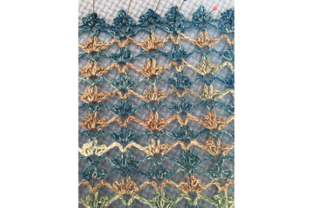
Mauritius Shawlette: Lace, Warmth, and Island Elegance
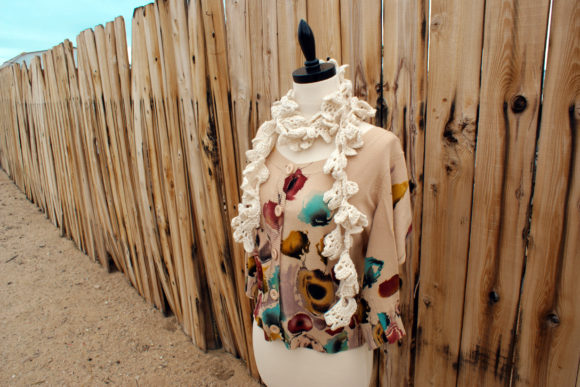
There are accessories that simply fill a closet, and then there are those that define a wardrobe. The Mauritius Shawlette belongs firmly in the latter category. Light enough for a breezy summer evening yet structured enough to serve as a statement scarf in winter, this pattern offers remarkable versatility. The small flower-bud motif woven into the lace fabric reflects the natural charm of Mauritius’s coastline. Whether you are a seasoned creator or picking up your tools for the first time, this project provides both a satisfying challenge and a stunning, wearable result.
A Design Inspired by Paradise
The magic of the Mauritius Shawlette begins with its inspiration. The designer looked to the tranquil beaches of Mauritius, capturing the ebb and flow of the tides and the delicate forms of tropical flora. This influence is subtly expressed through a repeating flower-bud motif that feels organic and grows beautifully as you work. The lace pattern itself is elegant without being overly complicated. It is a intermediate-level lace technique, but the inclusion of a step-by-step photo tutorial makes it highly approachable for dedicated beginners. The goal here is not just to create fabric, but to create a feeling—a sense of calm, elegance, and island serenity that you can wear draped over your shoulders.
Two Seasons, One Remarkable Shawlette
One of the most compelling reasons to invest time in this pattern is its year-round utility. Many accessories are relegated to a single season, but this shawlette breaks that mold completely.
For Summer: The open, lacey structure allows air to circulate freely, making it a perfect cover-up for cool evenings by the shore or a breezy night on the patio. It adds a layer of sophistication to a simple sundress or tank top without adding bulk or trapping heat. It is the ideal companion for those warm summer evenings when the sun dips low and a cool breeze rolls in.
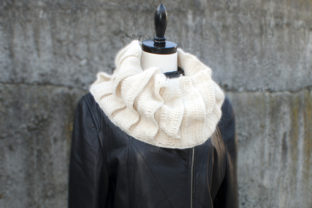
For Winter: This is where the design truly proves its genius. Because it is crafted as a shawlette—typically a triangular or crescent shape—it can be wrapped snugly around the neck and used as a scarf. The lacework traps warm air against your skin, and when worked in a wool or alpaca blend, it provides surprising insulation. It adds instant pizzazz to a plain sweater or winter coat, transforming a basic outfit into something styled and intentional. You do not have to put it away when the weather turns cold; simply turn it around and let it work double duty.
Who Will Love This Project?
The Mauritius Shawlette appeals to a wide range of makers and users. Its beauty is universal, but its practical benefits hit home for several specific groups.
- The Adventurous Beginner: If you understand the basic stitches of your craft, the photo tutorial can confidently guide you into lace work. The pattern is repetitive, which helps build muscle memory and confidence.
- The Creative Hobbyist: This is a quick and deeply rewarding project. It is perfect for using a special skein of self-patterning yarn you have been saving for just the right design.
- The Small Business Owner: Handmade lace accessories command attention and a good price at craft fairs or online shops. This pattern is unique enough to stand out, and the seasonal versatility makes it a sellable item year-round.
- The Thoughtful Gift Giver: Handmade gifts carry deep meaning. A handcrafted Mauritius Shawlette shows a level of thoughtfulness and skill that a store-bought item simply cannot match.
- The Educator or Group Leader: This pattern serves as an excellent teaching tool for lace techniques, working with increases, and understanding the critical importance of finishing through blocking.
Choosing the Right Yarn for Your Vision
The pattern is flexible, but your yarn choice will determine the final personality of the shawlette. Understanding your options is key to getting the result you envision.
Self-Patterning Yarn: The design was originally done in a self-patterning yarn, and for good reason. The changing colors create a dynamic, modern, almost watercolor effect. The color shifts emphasize the lace sections without requiring you to change colors manually. It mimics the natural gradients found in sand, sea, and sky.
Solid Colors: A solid color is a classic choice that highlights the texture of the flower-bud motif. It looks elegant, traditional, and refined. A solid cream, soft navy, or rich charcoal can make the intricate lace pattern the absolute star of the show.
Fiber Considerations:
- Cotton, Linen, or Bamboo: Excellent choices for summer. They offer great stitch definition and a crisp, cool feel.
- Wool, Alpaca, or Merino: Better for warmth and winter wear. These fibers have natural spring and memory, and they respond beautifully to blocking.
- Soft Acrylic Blends: Budget-friendly and easy to care for. Look for a blend that is soft and has good drape to allow the lace to open properly.
No matter which fiber you choose, the lightness of the lace pairs perfectly with fine yarns, typically fingering or sport weight, to create a fabric that is both airy and substantial.
The Secret to a Professional Finish: Blocking
If there is one piece of advice to take seriously with this project, it is this: block your finished shawlette. The pattern itself strongly recommends blocking, and it is not an exaggeration to say that this step transforms your work. Blocking will result in a more lacey, well-defined pattern.
When you finish the last stitch, the fabric will likely look a bit scrunched and compressed. The flower-bud motif may not be immediately obvious. Blocking relaxes the fibers, opens the lace holes, evens out tension inconsistencies, and defines every petal and point of the motif. It literally transforms good work into stunning craftsmanship.
How to Block Your Shawlette:
- Soak the shawlette in lukewarm water with a gentle wool wash or mild soap for about 20 minutes.
- Gently squeeze out the excess water. Do not wring or twist the fabric.
- Lay it flat on a clean towel and roll the towel up to absorb additional moisture.
- Place the damp shawlette on a blocking mat or a dry towel.
- Pin out the edges to the desired shape, gently stretching the fabric to open the lace and emphasize the points of the shawlette.
- Leave it to dry completely. Once dry, it will hold its shape until you wash it again.
Getting the Most Out of the Photo Tutorial
The step-by-step photo tutorial included with the pattern is a powerful learning tool, especially for visual learners who might struggle with written instructions alone. To get the most out of it, start by skimming the written instructions to understand the overall flow. Then use the photos to see exactly how the flower-bud motif is constructed, stitch by stitch. If you ever feel lost, the photos provide a reliable reference point to get you back on track. Using stitch markers is highly recommended for tracking pattern repeats. They are a simple tool that makes complex lace work manageable and enjoyable.
The Mauritius Shawlette is more than just a pattern. It is a portable piece of island elegance, a versatile accessory for every season, and a rewarding journey into lace. Whether you choose a vibrant self-patterning skein or a subtle solid color, the result is an elegant, handmade piece that you will reach for again and again. With the help of the photo tutorial and a willingness to embrace the blocking process, this beautiful lace project is well within your reach. Pick your yarn, find a comfortable spot, and start creating a little piece of paradise for your wardrobe.