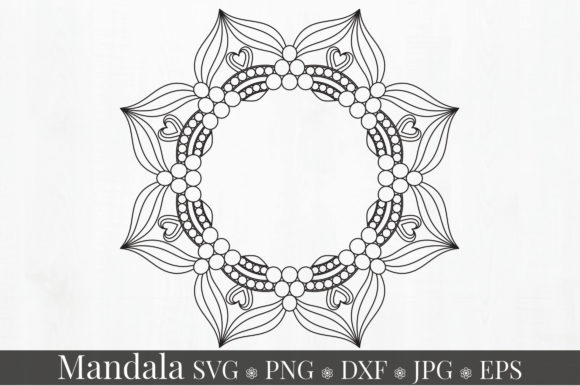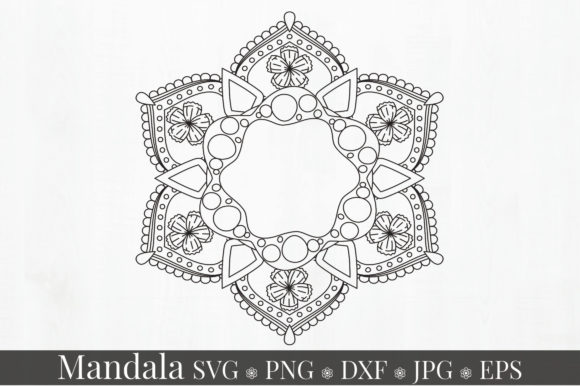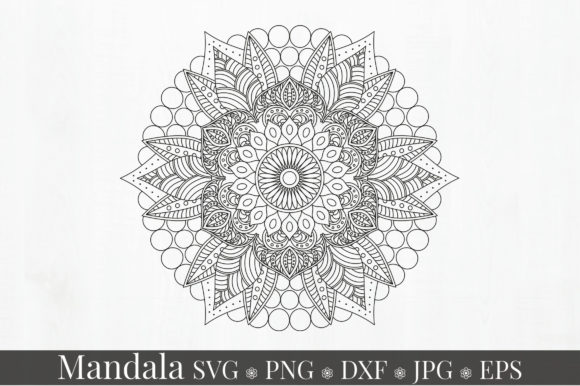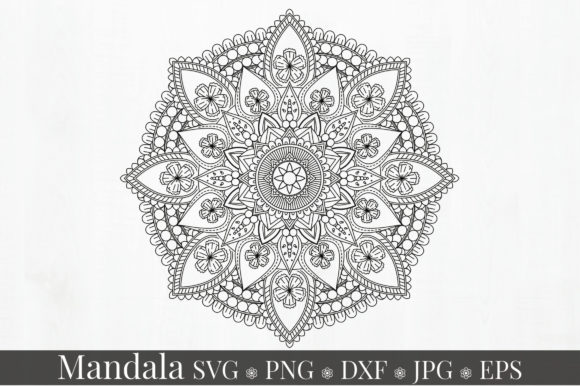
Mandala Art SVG Vector File: A Versatile Digital Resource for Creatives and Crafters
If you have ever searched for high-quality design assets that work across multiple machines, software platforms, and project types, you have likely run into the same frustrations: files that don't cut cleanly, formats that aren't compatible with your setup, or designs that lose detail when scaled. A Mandala Art SVG Vector File solves these problems in one clean package. Whether you are a hobbyist working with a home cutting machine or a professional using industrial CNC equipment, understanding what this digital product offers and how to use it effectively can save you time, money, and creative headaches.
This article walks through what a Mandala Art SVG Vector File actually is, the common situations where it becomes indispensable, how different users can get the most out of it, and practical considerations to keep in mind as you start or expand your projects.
What a Mandala Art SVG Vector File Actually Delivers
A Mandala Art SVG Vector File is a digital design that uses mathematical paths rather than pixels. This means it can be scaled up or down infinitely without losing sharpness or introducing jagged edges. The file typically contains a circular, symmetrical mandala pattern often described as a Mandala Circular Lace Ornament Single Vector Isolated on White Background. The isolated background is especially helpful because it allows the design to sit cleanly on any surface or canvas without extra cleanup work.
In practice, this type of file comes in multiple formats: SVG, DXF, PNG, JPG, and EPS. Each format serves a different purpose. The SVG files are compatible with design software like Adobe Illustrator, CorelDRAW, Inkscape, Cricut Design Space, Silhouette Studio, Making the Cut, and Sure Cuts A Lot. DXF files work with Silhouette Studio without needing the Designer Edition upgrade and are also ready for CNC, plasma, laser, and water jet cutters. The PNG and JPG files come at 300 DPI, making them suitable for high-resolution printing and sublimation.
Having all these formats in one download means you don't need to convert files yourself or worry about losing quality during translation. You open the format that matches your workflow and start creating immediately.
Time Spent Searching for Compatible Files
One of the biggest frustrations crafters and designers face is finding a design they love, only to discover it is in a format their software cannot open. With a Mandala Art SVG Vector File that includes SVG, DXF, EPS, PNG, and JPG, you are covered whether you are using Cricut Design Space, Silhouette Studio, Adobe Illustrator, or a laser engraver. You don't need to track down separate downloads for different machines.
Quality Loss When Scaling
Raster images such as standard JPEGs or PNGs become pixelated when you enlarge them. A vector-based mandala file, by contrast, stays crisp at any size. Whether you are making a small sticker or a large wall art piece, the fine details of the circular lace ornament remain intact.
Limited Project Versatility
Many digital designs work well for one type of project but fail in another. A file that looks good on screen may not cut properly on a vinyl cutter or may lose detail when engraved. Because the Mandala Art SVG Vector File is built from clean, closed paths, it performs reliably across cutting, engraving, printing, and sublimation. The same design that decorates a mug can also be laser-cut into wood or printed onto fabric.
Steep Learning Curve with New Formats
If you are new to using SVG or DXF files, the variety of options might feel overwhelming at first. But the structure of this product simplifies things. The SVG files work with the widest range of cutting and design software. The DXF files are especially useful if you use Silhouette Studio without an upgrade, and the EPS files are standard for professional vector editing. You can start with the format you already know and gradually explore the others as your skills grow.
Practical Applications and Real-World Use Cases
The true value of a Mandala Art SVG Vector File becomes clear when you consider the range of projects it supports. Here are several ways different users can put it to work.
Home Crafters and Vinyl Cutting Enthusiasts
If you own a Cricut or Silhouette machine, you know how important clean vector paths are for smooth cutting. The mandala design works beautifully for vinyl decals on laptops, water bottles, car windows, or walls. You can also use the design to create layered paper ornaments, greeting cards, or scrapbook embellishments. Because the design is isolated on a white background in the raster versions, you can print it directly onto sticker paper or transfer paper without extra editing.
Laser Cutting and CNC Users
For those using a laser engraver, CNC router, or water jet cutter, the DXF and SVG formats are ideal. You can import the mandala pattern directly into your control software and scale it to fit materials like wood, acrylic, metal, or leather. The symmetrical lace ornament structure is particularly well suited for engraving decorative panels, jewelry boxes, coasters, or signs. Because the file is a single vector isolated on a transparent background, there are no stray lines or artifacts to clean up before cutting.
Print-on-Demand and Sublimation Creators
The high-resolution PNG and JPG files at 300 DPI are ready for print-on-demand platforms. You can upload the mandala design to a print service and apply it to shirts, mugs, phone cases, canvas prints, or bags. The circular pattern also works well as a background element for invitation cards, book covers, or luxury branding materials. Since the file is professionally isolated, you can place it over any background color or texture without white halos or rough edges.
Digital Artists and Graphic Designers
In software like Adobe Illustrator, CorelDRAW, or Inkscape, the EPS and SVG files allow you to ungroup elements, recolor sections, or combine the mandala with other designs. If you need to create a custom pattern for fabric, wallpaper, or packaging, the symmetrical geometry of the mandala reduces the effort required to build repeating tiles. The design can also serve as a starting point for digital coloring pages, tattoo flash, or surface pattern designs.
Educators and Workshop Leaders
If you teach vinyl cutting, laser engraving, or digital design, a Mandala Art SVG Vector File makes an excellent classroom resource. Students can practice importing files, scaling, setting cut lines, and experimenting with different materials. The fact that the file works across free software like Inkscape and commercial tools like Silhouette Studio means no student is left out due to software limitations.
How Different Users Can Approach the Same File
Not everyone will use a Mandala Art SVG Vector File the same way. Your approach depends on your tools, goals, and experience level.
Beginners typically start with the PNG file for simple print-and-cut projects. You can open it in any image viewer or basic editing app, resize it, and print it onto sticker paper or cardstock. As you become more comfortable, you can move to the SVG file and try a test cut in Cricut Design Space or Silhouette Studio.
Intermediate users often skip the raster files and go straight to the SVG or DXF. They may tweak the design size, mirror it for heat transfer, or combine it with text or other graphics. Many intermediate crafters also use the design for layered projects, cutting different parts of the mandala in contrasting colors and assembling them.
Advanced users and professionals typically work with the EPS file in Adobe Illustrator or CorelDRAW. They may modify the geometry, adjust stroke weights, or separate elements for multi-material projects. Laser engraving professionals often appreciate the DXF format for direct import into LightBurn or similar software, where they can set power and speed settings for the mandala pattern.
Useful Considerations Before You Start
While the Mandala Art SVG Vector File is designed to be plug-and-play, a few practical points can help you get better results.
Check your software version. Most modern design programs handle SVG files without issues, but if you use an older version of Silhouette Studio, the DXF file may be the more reliable option. Similarly, some free vector editors handle EPS files differently, so SVG is often the safest fallback.
Understand your material. If you are cutting vinyl, make sure your blade pressure and speed settings match the thickness of your material. For laser engraving, test the mandala design on scrap material first to confirm that fine details burn clearly without overheating the edges.
Keep a backup of the original files. Because the product includes multiple formats, it is easy to accidentally save over the SVG with a modified version. Store the original download folder in a dedicated location so you can always return to the clean design.
Respect the copyright. The product is marked with All rights reserved © 2020 SkyeCreativeStudio. This means you can use the design for personal projects and physical products you create, but you should not redistribute the digital files or claim them as your own. Supporting the creator ensures continued availability of high-quality assets.
Getting the Most Out of Your Mandala Art SVG Vector File
To maximize the value of a single mandala design, think of it as a modular asset rather than a one-time project. The same circular lace ornament can be used as a central focal point on a shirt, a repeating pattern for wrapping paper, a decorative border for a certificate, or an engraved detail on a wooden box. Because the file is vector-based, you can scale it to fit a coaster or a wall mural without losing a single line of detail.
If you run a small business creating custom gifts or home decor, having a versatile design like this in your library means you can offer customers multiple product options from one source file. A single mandala can become a mug design, a tote bag print, a laser-cut ornament, and a sticker set. This efficiency reduces your design time and helps you maintain a cohesive aesthetic across your product line.
For personal use, the mandala pattern lends itself well to relaxation and mindfulness projects. Many people enjoy coloring intricate circular designs as a stress-relief activity. The high-resolution JPG or PNG can be printed at home for a coloring page, and the SVG can be used to create stencils for painting on walls, furniture, or fabric.
Why Quality and Format Variety Matter
The difference between a usable digital design and a frustrating one often comes down to file quality. A Mandala Art SVG Vector File that includes properly closed paths, a clean isolated background, and high DPI options saves you from spending hours fixing broken lines or removing artifacts. When you purchase a product that provides SVG, DXF, EPS, PNG, and JPG in one bundle, you are essentially future-proofing your creative work. You can switch machines, upgrade software, or explore new techniques without losing access to your favorite designs.
Another often overlooked benefit is the time saved on preparation. If you have ever tried to convert a low-resolution JPEG into a vector using auto-trace tools, you know how messy the results can be. Starting with a professional vector file eliminates that step entirely. The paths are clean from the start, so your cuts and prints come out exactly as intended.
Final Thoughts on Using Mandala Art SVG Vector Files
Whether you are just starting your crafting journey or you run a full-scale production workshop, having a reliable Mandala Art SVG Vector File in your digital toolbox changes how you approach projects. It removes the friction of format incompatibility, eliminates the frustration of pixelated enlargements, and opens up a wide range of creative possibilities across vinyl cutting, laser engraving, printing, and sublimation. By choosing a product that offers multiple formats in one download, you ensure that no matter which machine or software you use, you can bring the intricate beauty of a circular lace ornament to life.
The key is to start with a project that matches your current comfort level. Print a coloring page, cut a simple sticker, or engrave a small wooden tag. Once you see how cleanly the design translates from screen to physical material, you will likely find yourself reaching for the file again and again for everything from gifts and home decor to professional product lines.